


Arbitration
Arbitration involves an independent and neutral third party (the arbitrator) making a binding decision for the parties. The process involves the arbitrator hearing from both parties (which can include the parties giving evidence) and making their decision before a full written decision is sent to the parties post hearing. It is possible to arbitrate not only a final hearing, but the whole process, including a first appointment and most interim applications. The parties agree who the arbitrator will be. The process can be used for both child arrangements and financial disputes.

Faster Dispute Resolution

Specialist in Field

Single Case Allocation

Less Formal Environment
The significant advantage of arbitration is that it allows a decision to be made on an issue in dispute, where it has not been possible for the parties to reach an agreement. The arbitrator’s decision will be converted into a court order, which the parties will be required to follow.
Arbitration has the following advantages over attending court:
Speed: Arbitration can often be arranged quicker than a final hearing in court, this can reduce cost and allows for finality much sooner, which can be particularly important if there is a time-sensitive issue in dispute
Specialist: The arbitrator will be a specialist in the area of the dispute
Attention: The arbitrator will be allocated a single case whereas in court the judge could be required to deal with other cases on the same day
Environment: Whilst more formal than other NCDR options, arbitration remains less formal than the court environment
Arbitration Children
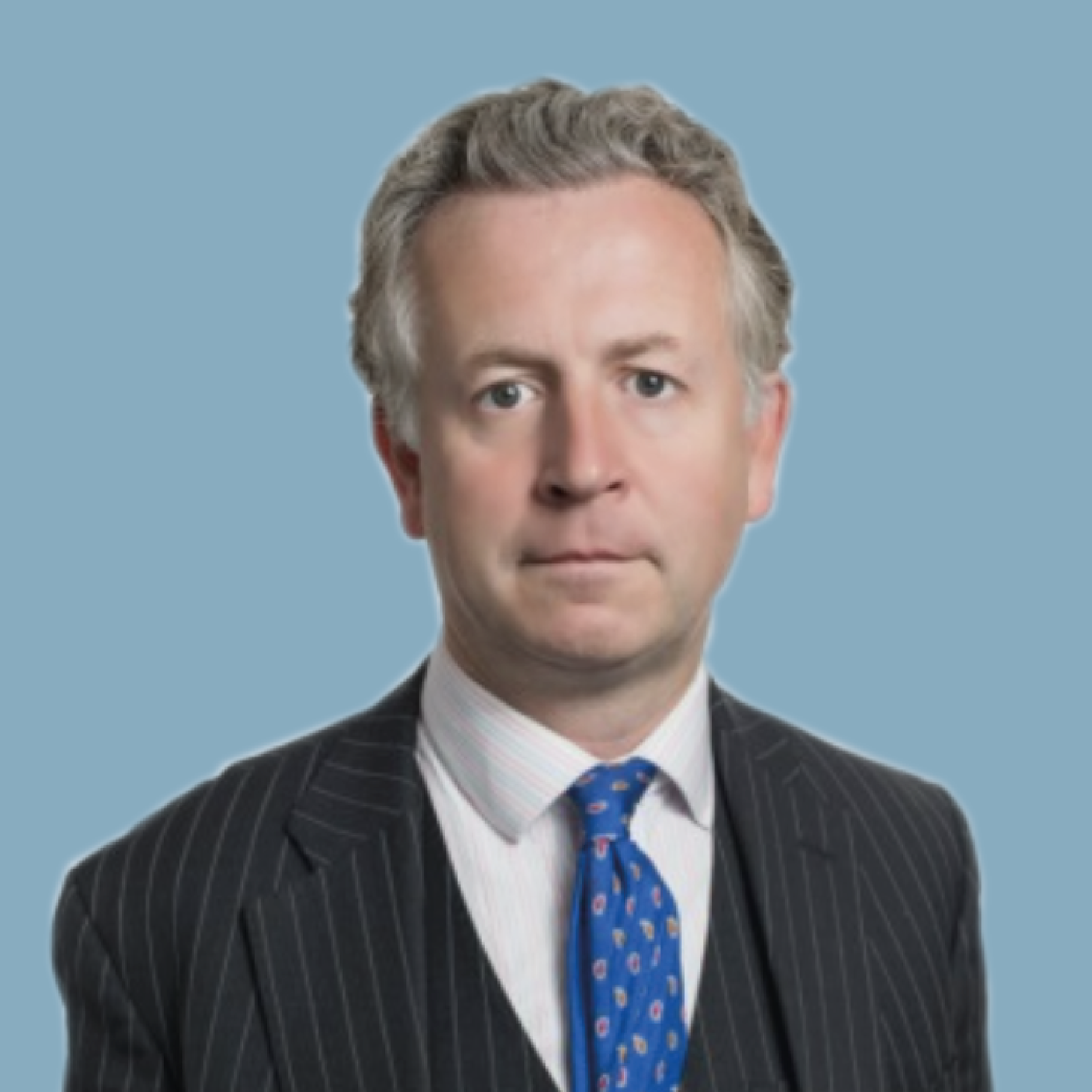

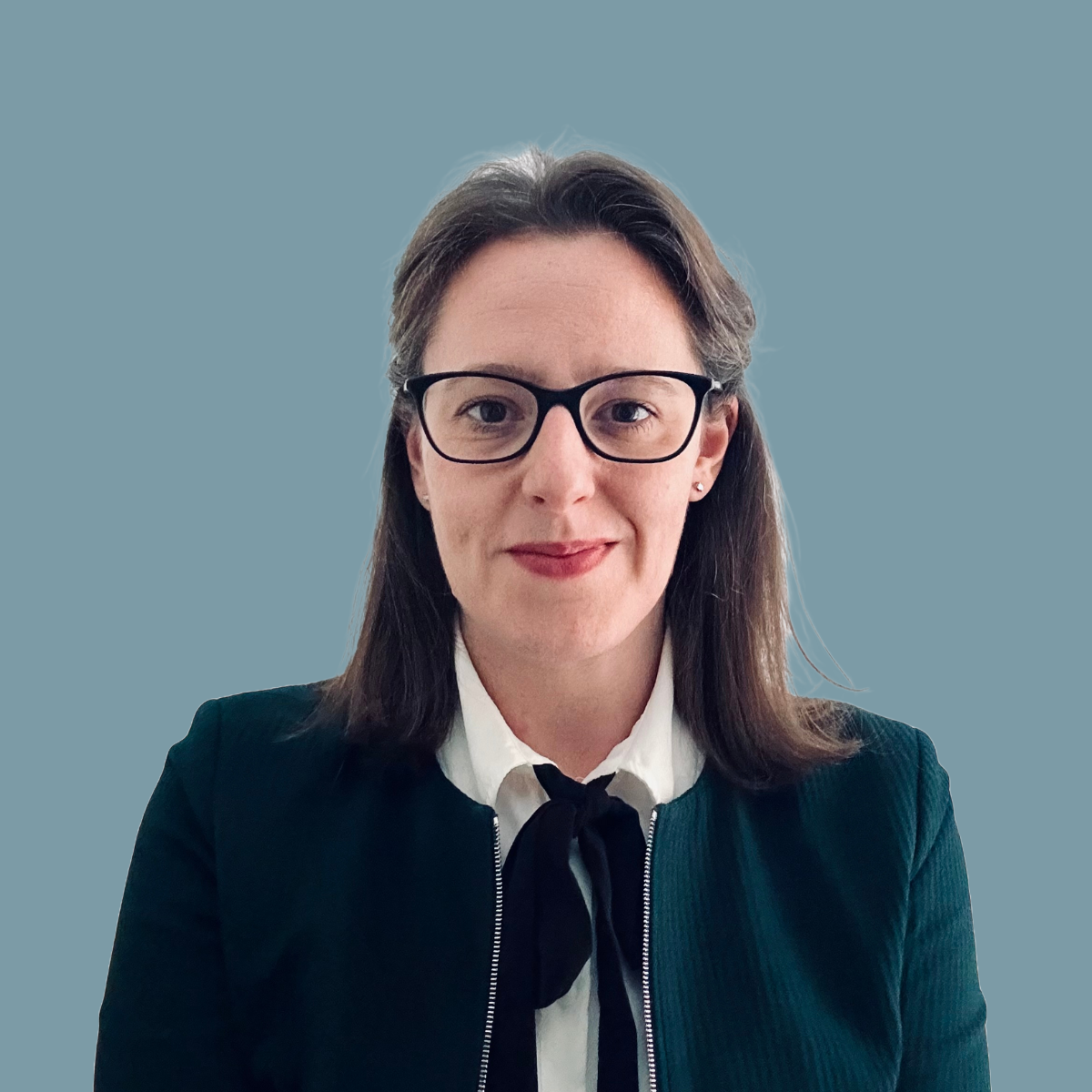
Fees for one day
Guy Swiffen (1991) - £3,000
Dornier (1994) - £3,000
Emily Ward (2011)- £4,500
All fees are plus VAT and subject to an assessment of the bundle.
Arbitration Finance


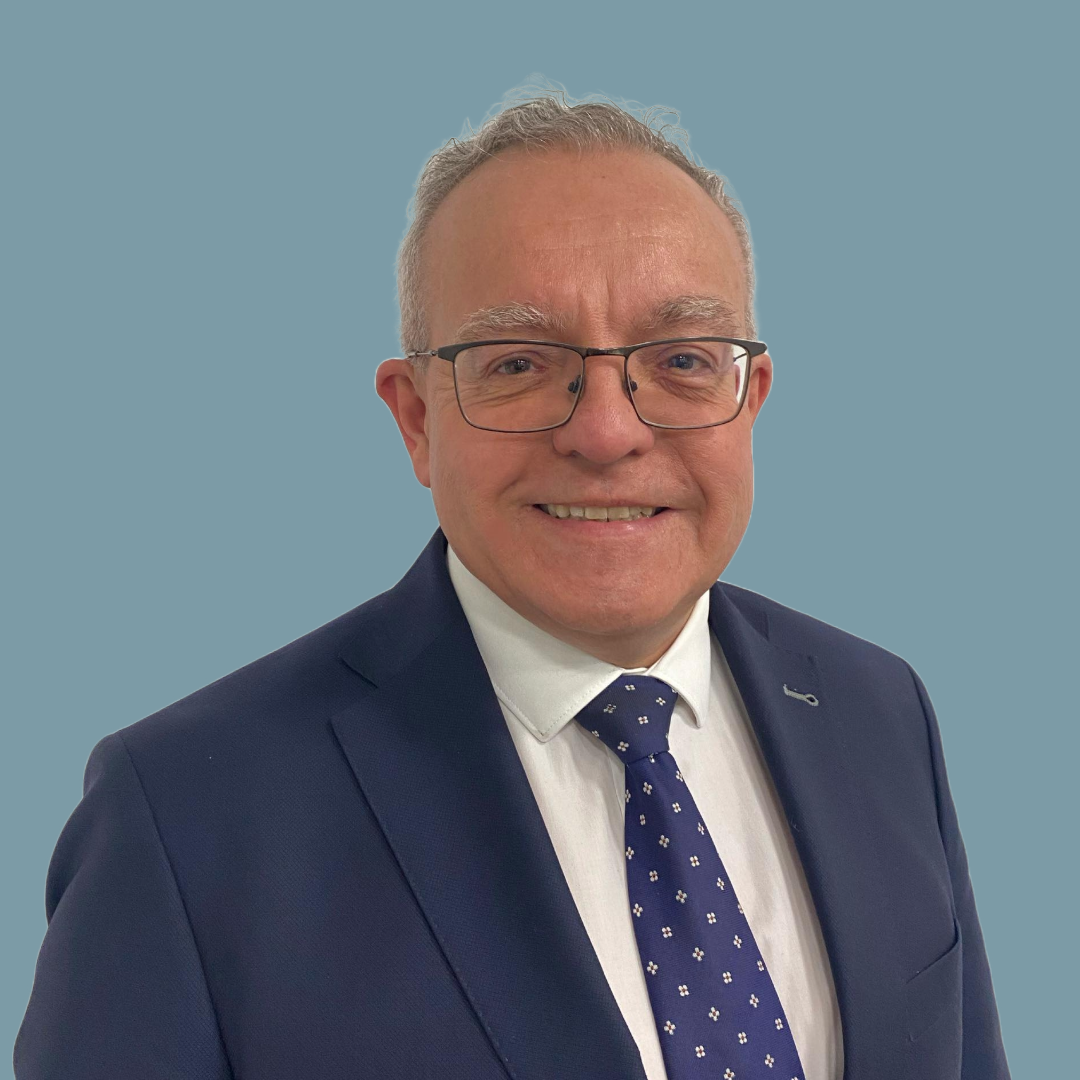
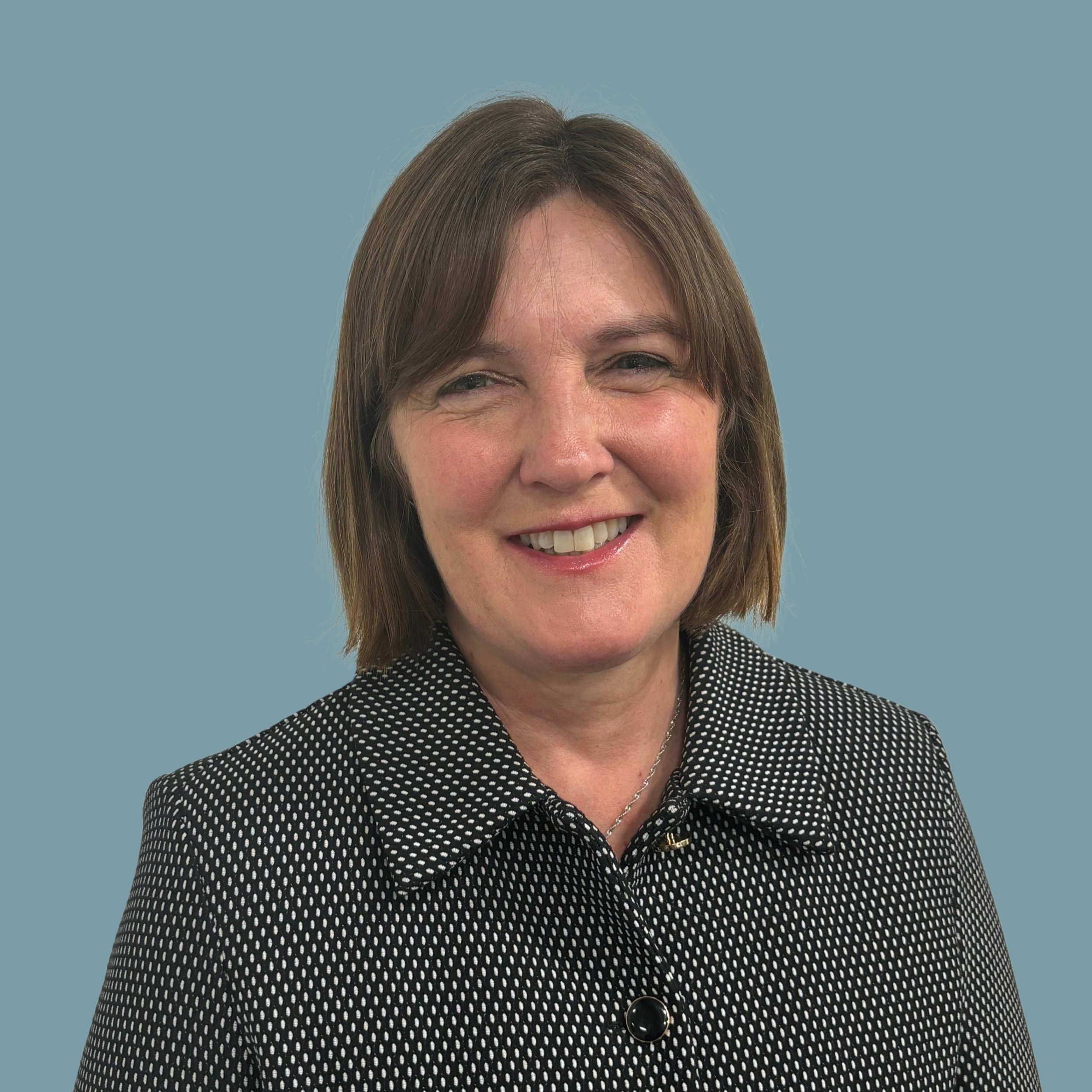


Fees for one day
Nikki Saxton KC (1992 | 2024) - £7,000
Anthony Hajimitsis (1984) - £5,000
Robert Cole (1991) - £5,000
Nicola Shaw (1992) - £4,000
Nick Power (2004) - £4,000
Emily Ward (2011)- £4,500
Andrzej Bojarski KC (1995 | 2024) - £7,000
All fees are plus VAT and subject to an assessment of the bundle.
Arbitration TOLATA
Fees for one day
Nikki Saxton KC (1992 | 2024) - £7,000
Robert Cole (1991) - £5,000
Nicola Shaw (1992) - £4,000
Emily Ward (2011)- £4,500
Andrzej Bojarski (1995 | 2024) - £7,000
All fees are plus VAT and subject to an assessment of the bundle.